
Perplexity AI Sued for $30M Over Alleged Copyright Theft
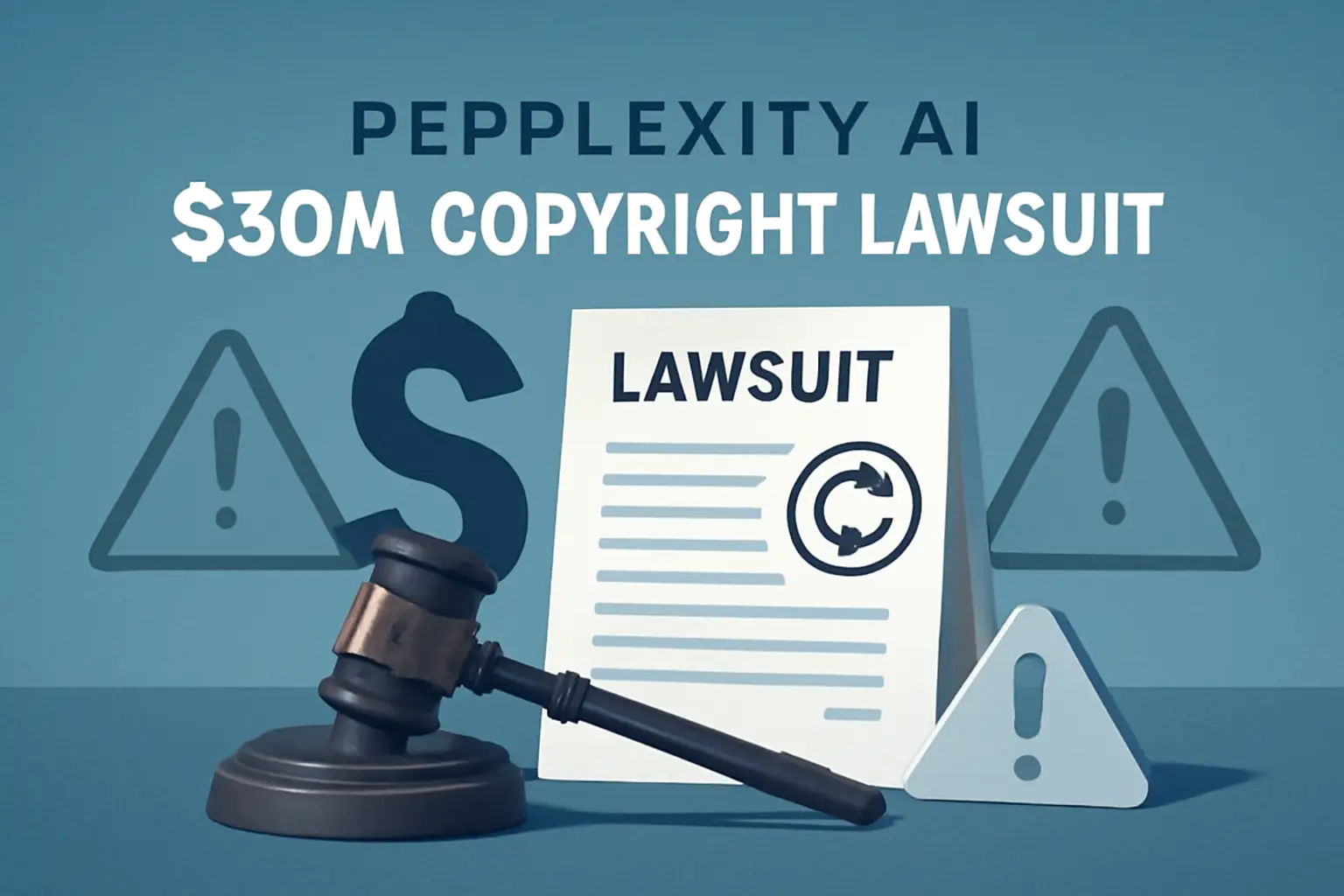
In an industry-shaking turn of events, Perplexity AI was recently sued for $30 million over claims of copyright infringement. The lawsuit accuses the up-and-coming AI company of stealing written content from publishers and displaying it without permission. This legal battle could have a major impact on how artificial intelligence tools use existing content—and how creators can protect their work.
If you’re wondering whether AI tools like Perplexity are stepping over the legal line, you’re not alone. This case could become a defining moment in the ever-evolving conversation about AI, content ownership, and fair use. Let’s unpack what happened, why it matters, and what it might mean for the future of AI and digital publishing.
What Is Perplexity AI?
Launched in 2022, Perplexity AI is an AI-powered search engine and chatbot designed to give users quick, easy answers to their questions. Think of it as a souped-up version of Google that answers you in complete sentences instead of just showing a list of links. People use it to summarize web content, pull in sources across the internet, and even explore detailed breakdowns of complex topics.
While Perplexity has gained attention for its slick design and powerful AI features, it’s now grabbing headlines for all the wrong reasons.
The $30 Million Copyright Lawsuit: What Happened?
According to legal filings, a group of publishers is suing Perplexity AI for allegedly copying their content word-for-word and displaying it to users. The claim? That Perplexity’s AI is scraping premium, often paywalled content without permission and then repackaging it as its own output.
The plaintiffs say this is blatant copyright theft and that it threatens their business models, which often rely on subscription-based access to high-quality journalism and writing. They argue that if anyone can get the core ideas (or even exact wording) for free through Perplexity AI, it damages their ability to earn revenue from their original work.
Why This Matters: AI and Copyright Law Clash
This lawsuit is much bigger than just one company. It’s part of a growing wave of legal scrutiny facing AI platforms. Tools like ChatGPT, Google Bard, and Copilot are constantly learning from the internet. But not everything online is free to use. And that gets tricky fast.
The core of the issue is this:
- Does using content to train or produce AI responses violate copyright law?
- Is it fair use if an AI “learns” from published content but doesn’t directly copy it?
- How can publishers protect their work without stifling innovation?
Right now, there aren’t clear answers. That’s why many in the tech and legal worlds are watching the Perplexity case closely—because it might set important precedents.
Perplexity’s Response So Far
As of now, Perplexity AI hasn’t issued a detailed public response to the $30 million lawsuit. In past statements, the company has said it respects intellectual property and aims to be a responsible part of the AI ecosystem. But critics argue that simply linking back to sources isn’t enough—especially if users never click on them because they get all they need from the AI’s summary.
Content Publishers Fight Back
This isn’t the first time news organizations or publishers have fought against AI scraping. The New York Times also filed a similar lawsuit against OpenAI and Microsoft for using its articles to train ChatGPT. Many smaller outlets are worried they can’t compete with tools that repackage their content without compensation.
AI and Fair Use: A Fine Line
Fair use is a legal principle that allows limited use of copyrighted content without permission. But it’s fuzzy when it comes to AI. Is training AI on a million articles “transformative,” or just repackaging other people’s work?
Legal experts say it will likely take years—and several court cases—to define these lines. Until then, AI companies, content creators, and readers are all navigating unknown territory.
How This Affects You
Even if you’re not a publisher or AI developer, this case could shape how you use the internet. If lawsuits like these succeed, AI companies might:
- Change what kind of content they use and display
- Be forced to license content or share profits with creators
- Limit how easily users can access certain detailed answers
On the flip side, if AI wins unabated access to all content, it could make information even more accessible—but possibly at the cost of professional journalism.
What’s Next for the AI Legal Landscape?
It’s likely we’ll see more of these lawsuits as publishers try to protect their work, and AI firms push the boundaries of innovation. Lawmakers are also beginning to take notice, discussing policies that promote fairness without limiting technological growth.
Until there’s clarity, companies like Perplexity AI are treading in legally murky waters. One thing is clear though: how we define “original” content in the age of AI is more important than ever.
Key Takeaways
- Perplexity AI is facing a $30 million lawsuit for allegedly copying copyrighted content.
- The case could influence how all AI tools treat publisher content.
- It raises big questions about copyright, fair use, and digital responsibility.
Related Reading
If you’re interested in how other AI models handle legal issues, check out our latest article on AI content policies
For a broader industry perspective, you can also explore this coverage from The New York Times.