
SSH into Remote Devices Using Chrome Secure Shell App Easily
Need to access your server or Raspberry Pi remotely, but unsure how to use SSH from your local device? Good news — there’s a simple solution! In the first 100 words of this guide, we’ll walk you through how to SSH into remote devices using the Chrome Secure Shell App. This user-friendly extension for Chrome makes secure remote access quick and easy, even if you’re not a tech wizard.
Forget complicated terminal commands or needing another device. With just your browser and a few clicks, you’re well on your way to accessing your remote machines safely.
What Is the Chrome Secure Shell App?
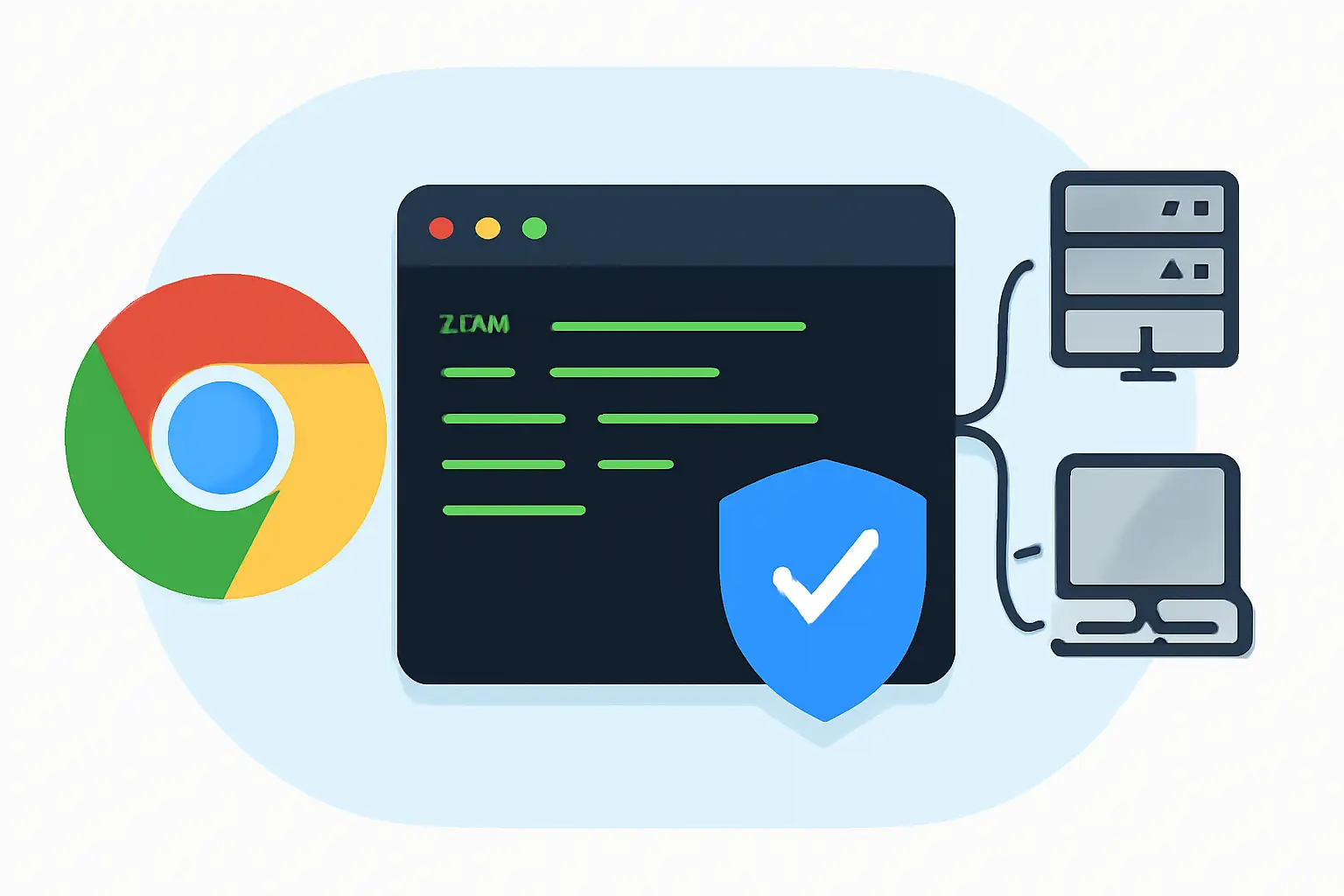
The Chrome Secure Shell App is a Chrome extension developed by Google that lets you open an SSH terminal window right within your browser.
Think of it like a virtual door to your headless Raspberry Pi, cloud server, or remote Linux machine — all accessible securely through your Chrome browser. It’s built on the Native Client, which means it’s fast, lightweight, and integrates tightly with Chrome OS and Chrome browser environments.
Top Features:
- Free to use — no extra software installation required.
- Safe and secure — utilizes SSH encryption.
- Works offline — no internet needed to open the app itself.
- Portability — available on any Chrome browser across devices.
Why Use This Instead of Traditional SSH Clients?
Traditional SSH clients like PuTTY or the Terminal app work great — if you’re familiar with command line interfaces and enjoy a bit of technical deep diving.
But what if you’re a beginner or just want to connect quickly without configuring a bunch of files? This is where the Chrome Secure Shell App shines. Setup takes minutes, and it’s as simple as typing the remote IP address and hitting “Connect.”
Secondary Keyword Benefit: Remote Device Management Made Simple
Whether you’re managing a fleet of Raspberry Pi devices, a headless Ubuntu server, or accessing a DigitalOcean droplet, this app removes the learning curve. It’s perfect for students, hobbyists, and even IT pros looking for a quick access method.
How to Set It Up
Here’s a simple, step-by-step guide to get started with SSH using Chrome’s Secure Shell:
1. Install the Chrome Secure Shell App
- Open Chrome browser.
- Visit the Chrome Web Store.
- Search for Secure Shell and click Add to Chrome.
2. Launch the Secure Shell App
- Type chrome://apps in your address bar (or go to your Chrome apps page).
- Click on the Secure Shell icon to open it.
3. Enter Your SSH Details
Fill in the required fields:
- Username: Usually ‘pi’ or your server login name.
- Hostname: The IP address of your remote device (e.g., 192.168.1.101).
- Port: Default is 22 unless you’ve changed it.
4. Click ‘Connect’
You’ll be prompted to accept the host’s fingerprint (first-time connections). Type your password, and voilà — you’re in!
Extra Configurations for Frequent Use
If you plan to access the same device regularly, click ‘Options’ in the app to save your connection profiles:
- Create a named profile (e.g., RaspberryPi-Home).
- Add SSH parameters like port forwarding if needed.
- Toggle options like saving your credentials securely.
This can save time the next time you open the app. Just select your profile from the dropdown and connect instantly.
Use Cases for Remote SSH Access
The Chrome Secure Shell App is great for a variety of remote device situations:
- Raspberry Pi Projects: Perfect for headless Pi setups with no monitor.
- Cloud Servers: Manage your VPS or cloud instances from your browser.
- School Labs: Students working on Linux VMs can log in across devices.
- Home Automation: Access your smart home server securely from work.
Security Tips When Using the Secure Shell App
SSH is already secure, but here are some ways to make it safer:
- Use strong passwords or set up key-based authentication.
- Change the default port from 22 to reduce brute-force attempts.
- Limit SSH user access to just what’s necessary.
- Enable fail2ban or similar services to prevent repeated login attempts.
Don’t forget — always log out when you’re done to avoid leaving open sessions.
Quick Comparison Table
| Feature | Traditional SSH Client | Chrome Secure Shell |
|---|---|---|
| GUI Interface | No | Yes |
| Installation Required | Yes | No (Chrome only) |
| Beginner-Friendly | Medium | High |
| Portable | Limited | Available on any Chrome device |
Conclusion
SSH into remote devices using the Chrome Secure Shell App is one of the fastest and easiest ways to access headless systems or cloud servers — especially for beginners. You don’t need to install bulky programs or mess around with command line tools. Just open Chrome, click a few buttons, and you’re connected.
This approach is perfect for remote developers, DIY tinkerers, or anyone who wants reliable, browser-based SSH access.
We hope this guide helps you manage your remote devices more confidently. For more advanced configurations and troubleshooting, check out our guide on [INTERNAL_LINK:SSH configuration tactics]
FAQ’s
1. What is the Chrome Secure Shell app?
The Chrome Secure Shell app is a lightweight SSH client that allows you to securely connect to remote servers or devices directly from your Chrome browser without installing additional software.
2. How do I SSH into a remote device using Chrome Secure Shell?
- Install the Chrome Secure Shell app from the Chrome Web Store.
- Open the app and enter the remote device’s IP address or hostname.
- Enter your SSH username and password (or use a private key for authentication).
- Click “Connect” to access the remote device.
3. Can I use SSH keys with Chrome Secure Shell?
Yes, the app supports public/private key authentication. You can upload your private key in the app settings to securely log in without a password.
4. Is Chrome Secure Shell safe for remote connections?
Yes, it uses standard SSH protocols for secure communication, ensuring your data and credentials are encrypted during remote access.
5. Can I use Chrome Secure Shell on any device?
The app works on devices that support the Chrome browser, including Windows, macOS, Linux, and Chrome OS, making it versatile for accessing remote systems anywhere.